
 Language
 English
 中文简体
中文简体 Deutsch
In a busy bakery, bakeware performance is measured long after a batch leaves the oven. Residue removal, washing time, surface care and storage all influence daily workflow. For commercial buyers, a Carbon Steel Muffin Pan should therefore be evaluated not only for baking performance, but also for how easily it can be cleaned and maintained between production cycles. A practical design can reduce unnecessary handling while helping the pan remain consistent through repeated use.
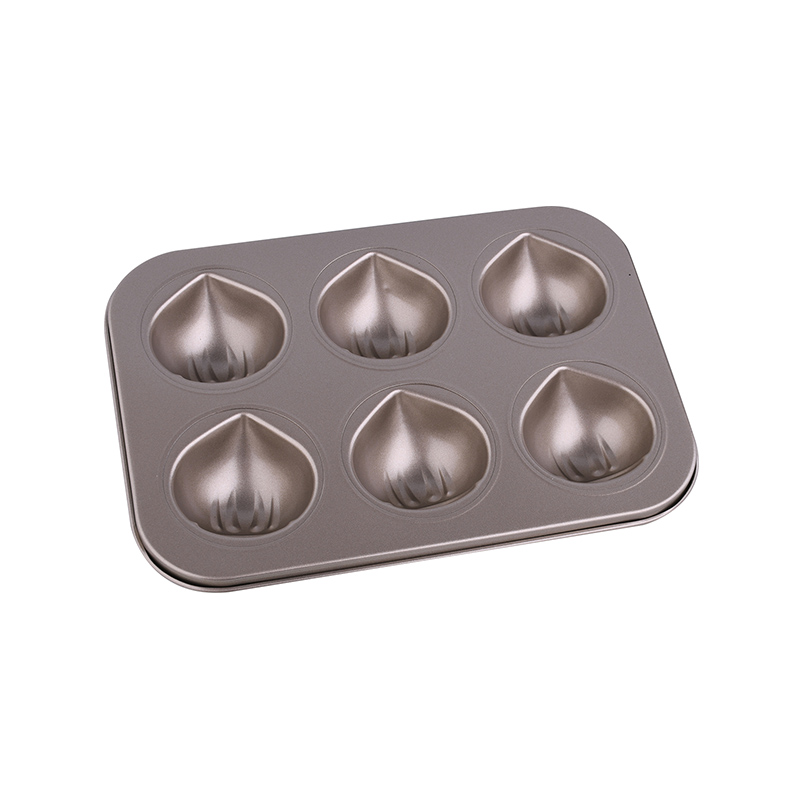
Residue Often Starts With the Baking Process
Muffin batter can contain ingredients such as sugar, fruit pieces, chocolate or fats that leave different types of residue on the pan surface. When residue is allowed to bake onto the cavity walls, cleaning becomes more difficult and operators may be tempted to use excessive scraping or abrasive tools.
The better approach is to consider release performance together with the recipe and baking conditions. A suitable surface can help reduce the amount of material remaining after demolding, making routine cleaning more manageable.
For commercial applications, buyers should test the pan using the actual formulations they expect to produce rather than relying only on a demonstration recipe.
Surface Care Should Be Defined in Advance
Cleaning requirements vary between bakeries. Some operations rely on manual washing, while others use more standardized sanitation procedures. The selected pan should be compatible with the intended cleaning process.
During procurement, buyers can clarify:
- Whether hand washing or automated cleaning is expected
- Which detergents are normally used
- Whether abrasive tools are permitted
- How quickly pans need to return to production
- Whether pans are cleaned while warm or after cooling
These details can influence the suitable surface treatment and care instructions.
Avoid Solving Sticking Problems With Aggressive Tools
When baked residue is difficult to remove, operators may naturally reach for metal scrapers or abrasive pads. However, aggressive mechanical cleaning can damage a coated surface over time.
This creates an important connection between release performance and maintenance. A pan that releases products cleanly can reduce the need for forceful cleaning, while clear care instructions help preserve the intended surface condition.
Commercial bakeware products commonly specify hand washing or controlled cleaning procedures where surface protection is important.
Rim Design Also Affects Maintenance
Cleaning is not limited to the muffin cavities. The outer rim and transitions around the pan can collect flour, batter and grease during filling and handling.
For OEM development, manufacturers should review these areas together with cavity geometry. Smooth transitions and accessible edges can make wiping and washing easier, particularly when the same pan is handled repeatedly throughout a working day.
The rim also has a practical role during handling. A stable edge gives operators a more convenient area to grip the pan while moving it between preparation, baking and cleaning areas.
Storage Can Influence Surface Condition
After cleaning, commercial pans are often stacked to save space. Poor stacking practices can create unnecessary contact between metal surfaces or coated areas.
A suitable product design should therefore consider how the pan will be stored between production cycles. Buyers may want to evaluate:
- Stackability
- Contact between adjacent pans
- Available storage space
- Risk of surface-to-surface abrasion
- Ease of removing individual pans from a stack
These details may seem minor during initial purchasing, but they become more relevant when many pans are used in the same facility.
Maintenance Should Be Part of Supplier Evaluation
A useful supplier assessment should include more than a first-use sample. Buyers can ask manufacturers for clear recommendations covering cleaning, storage and routine handling.
For OEM projects, these requirements can be incorporated into product documentation before mass production. This creates a common reference for the manufacturer, distributor and end user and reduces confusion about how the pan should be maintained.
It is also useful to inspect production samples for surface consistency, forming quality and edge condition before shipment.
Design for the Complete Working Life
Commercial bakeware is part of a wider production system, so its value should be considered across baking, demolding, cleaning, storage and repeated handling. Current commercial baking procurement is increasingly focused on durability, cleanability, maintenance and consistent operation rather than purchasing equipment based only on initial specifications.
For overseas buyers looking for a Carbon Steel Muffin Pan, the useful specification is one that reflects the actual bakery environment. By combining appropriate steel construction, suitable surface treatment, practical cavity design and clear maintenance requirements, manufacturers can provide a pan that fits more naturally into daily production and helps commercial users manage routine cleaning without unnecessary complications.
