
 Language
 English
 中文简体
 Deutsch

As home baking, specialty desserts, and small commercial bakeries continue to attract consumer interest, demand for practical and well-designed baking tools remains relevant across different markets. Retailers and professional kitchen suppliers are not simply looking for attractive cake pans; they also need products that deliver consistent baking results, are easy to clean, and meet applicable food-contact requirements. Choosing the right Cake Pan Factory therefore involves more than comparing product prices and shapes. Material selection, coating performance, dimensional accuracy, and manufacturing consistency all deserve attention before an order is confirmed.
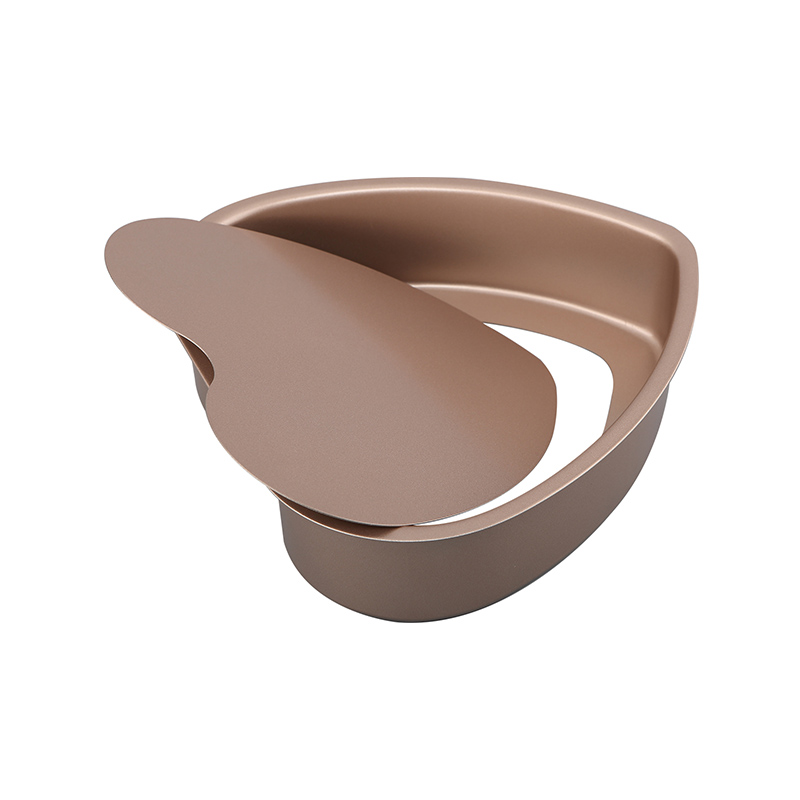
Choose Materials According to Baking Applications
Cake pans are available in different materials, including aluminum, carbon steel, and stainless steel. Each material has its own characteristics in heat transfer, weight, forming behavior, and maintenance requirements.
For example, aluminum is often considered for its heat-conduction properties, while carbon steel is commonly used for rigid baking forms. Stainless steel may be suitable for particular baking and food-service applications where its material characteristics meet the intended requirements.
Buyers should identify the target users and baking applications. A retail range for home bakers may require different sizes and designs from products intended for commercial kitchens. Manufacturers can then recommend material options based on the required dimensions, structure, and production process.
Evaluate Nonstick Coating and Release Performance
A cake that sticks to its pan can lose its shape during removal, creating unnecessary waste and additional cleaning work. This makes surface treatment an important purchasing consideration, particularly for cake pans designed for frequent use.
When comparing coated baking pans, buyers should ask about the coating type, application process, curing conditions, and relevant performance testing. Coating consistency across the inner surface is also worth checking, especially around corners, edges, and formed details.
It is important not to evaluate a coating based on appearance alone. Actual release performance depends on the coating system, pan geometry, baking conditions, and proper use and care instructions.
Check Dimensions and Shape Accuracy
Cake pans are produced in many configurations, from round and square designs to loaf pans, muffin trays, and specialty shapes. For retailers and distributors, accurate dimensions help ensure that product descriptions, packaging, and customer expectations remain consistent.
Manufacturers should pay attention to:
- Internal and external dimensions
- Pan depth and wall height
- Rim shape and edge finishing
- Bottom flatness
- Dimensional consistency between batches
These details can influence how a pan fits into an oven, how much batter it holds, and how easily finished cakes can be removed. Clear drawings and agreed measurement standards help buyers and manufacturers avoid misunderstandings during production.
Consider Cleaning and Everyday Handling
Ease of cleaning is an important part of the user experience. Deep corners, narrow edges, and complicated shapes may make residue harder to remove, while unsuitable cleaning methods can affect the surface condition of coated products.
Manufacturers should consider practical details such as smooth transitions, accessible corners, and appropriate surface finishing. Buyers can also evaluate whether the product design is compatible with the cleaning instructions intended for its target market.
Handles, rolled edges, and overall weight may also influence daily handling. These design details are worth considering when developing a baking product range for consumers or professional kitchens.
Food-Contact Compliance Needs Early Attention
For overseas importers, food-contact requirements should be considered before production rather than after the product has been completed. Different destination markets may have different regulatory requirements for materials and coatings used in baking equipment.
Buyers should clarify the intended sales region and request relevant material declarations, test reports, or compliance documentation where applicable. The documentation should correspond to the actual product materials and surface treatment used.
A responsible manufacturer should be able to discuss these requirements clearly and identify which documents are available for the proposed product configuration.
Batch Consistency Matters for Wholesale Orders
A sample may look suitable, but wholesale buyers also need confidence that subsequent production will follow the approved specifications. Differences in pan thickness, shape, coating coverage, or edge finishing can create problems for retailers managing the same product across multiple shipments.
A structured manufacturing process should include checks for incoming materials, forming dimensions, surface treatment, finished appearance, and packaging condition. Keeping inspection requirements aligned with the approved sample helps maintain consistency and makes production communication more efficient.
Discuss Customization and Packaging With the Manufacturer
Different markets may require different pan sizes, shapes, colors, coatings, and retail packaging. Some buyers need standard baking products for wholesale distribution, while others want customized designs that fit a particular brand or product collection.
An experienced Cake Pan Factory should be able to discuss tooling requirements, material options, surface treatment, labeling, and packaging as part of the product development process. For overseas buyers, providing drawings, target applications, and destination-market requirements early can make quotation and sample approval more straightforward. A well-planned manufacturing partnership helps turn a baking pan concept into a product that is practical for users and suitable for the buyer's market.
