
 Language
 English
 中文简体
中文简体 Deutsch
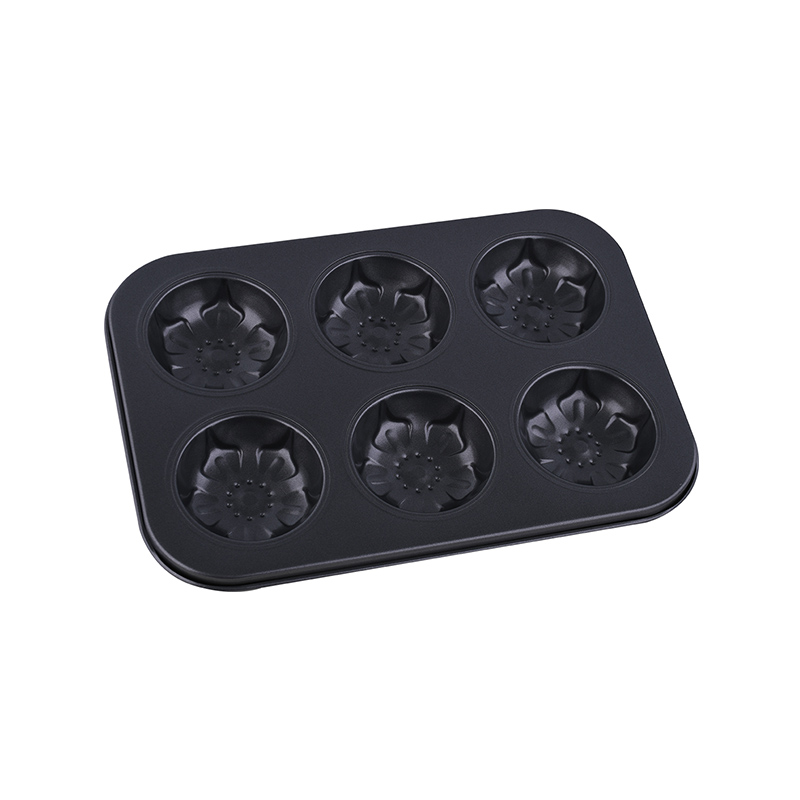
For commercial bakeries, foodservice brands and private-label bakeware buyers, choosing the right Carbon Steel Muffin Pan is not simply a matter of selecting cup size or appearance. The real challenge is maintaining consistent baking results while controlling sticking, deformation, coating wear and cleaning requirements. As buyers increasingly evaluate bakeware by actual service conditions rather than basic specifications, carbon steel construction is gaining attention for applications that require reliable heat transfer, structural strength and repeatable performance.
Start With the Right Material Structure
The steel substrate determines how a muffin pan behaves inside the oven. Carbon steel provides a rigid metal structure that can support repeated heating and cooling cycles while maintaining the geometry of the cups. For manufacturers and distributors, material thickness should therefore be considered alongside cup depth, rim construction and overall pan dimensions.
A well-designed structure can help reduce unwanted deformation and keep the baking cavities consistent. This matters in production environments where identical portion shape and predictable baking results are important for every batch.
Why Heat Distribution Matters
Uneven heating can create practical problems that are difficult to solve through recipe adjustments alone. Muffins may brown differently around the pan, while the center and edges can respond differently to the same baking cycle.
Carbon steel is valued in bakeware because its thermal characteristics support controlled heat transfer. Current bakeware products continue to use steel-based constructions where uniform baking and structural durability are important selling points.
For OEM buyers, the goal should be to match the pan structure with the intended oven conditions instead of relying on a generic design.
Coating Should Match the Working Environment
Non-stick performance is another major consideration, but coating selection should be based on how the pan will actually be used. Baking temperature, release agents, washing methods, storage and contact with utensils can all influence coating performance.
A practical specification should consider:
- Expected baking temperature and cycle frequency
- Type of batter or food being baked
- Manual or automated demolding
- Cleaning chemicals and washing methods
- Contact with racks, trays or other metal surfaces
Industry guidance increasingly recommends defining these operating conditions before selecting a coating system rather than choosing a coating name alone.
Design Details Affect Daily Handling
Small structural features can make a significant difference during production. Reinforced rims can improve rigidity, while carefully shaped cup transitions can make cleaning and product release easier. Deep or evenly formed cavities can also support more consistent muffin and cupcake shapes.
For buyers developing private-label bakeware, these details are worth reviewing during sample approval. A pan may meet the basic dimensional requirement while still creating difficulties during filling, demolding or cleaning.
Reducing Release and Cleaning Problems
Food sticking is more than a convenience issue in commercial baking. Residue left inside the cups can increase cleaning time and may gradually affect the surface finish. A suitable non-stick system can help baked goods release with less force and simplify routine cleaning.
At the same time, coating care should be considered during product development. Excessive abrasion, unsuitable cleaning practices and unnecessary heat exposure can shorten coating life.
Build the Specification Around the End User
For international buyers, a useful product specification should go beyond “carbon steel” and “non-stick.” Manufacturers can work with buyers to define cup configuration, dimensions, material construction, surface treatment, coating requirements, packaging and intended application.
This approach is particularly useful for distributors and brands that need several pan formats within one product family. Standardized manufacturing controls can help maintain dimensional consistency across different models while allowing customized designs for specific markets.
Turning Bakeware Requirements Into a Reliable Product
A successful muffin pan should solve practical problems before they reach the bakery or consumer. From substrate selection and forming accuracy to coating application and final inspection, each manufacturing stage contributes to the finished product's performance. For overseas buyers seeking a dependable Carbon Steel Muffin Pan, working directly with an experienced manufacturer can make it easier to align material, design and coating specifications with the intended baking environment.
