
 Language
 English
 中文简体
 Deutsch

A cake pan sample may look suitable during the initial evaluation, but maintaining the same quality across a large production order requires more attention. For kitchenware distributors, supermarket suppliers, baking brands, and commercial buyers, small differences in dimensions, surface finish, or forming quality can affect product presentation and customer satisfaction. When sourcing from a Cake Pan Factory, buyers should look beyond the approved sample and understand how the manufacturer controls production consistency. A clear quality agreement and inspection process can help reduce misunderstandings before goods are shipped.
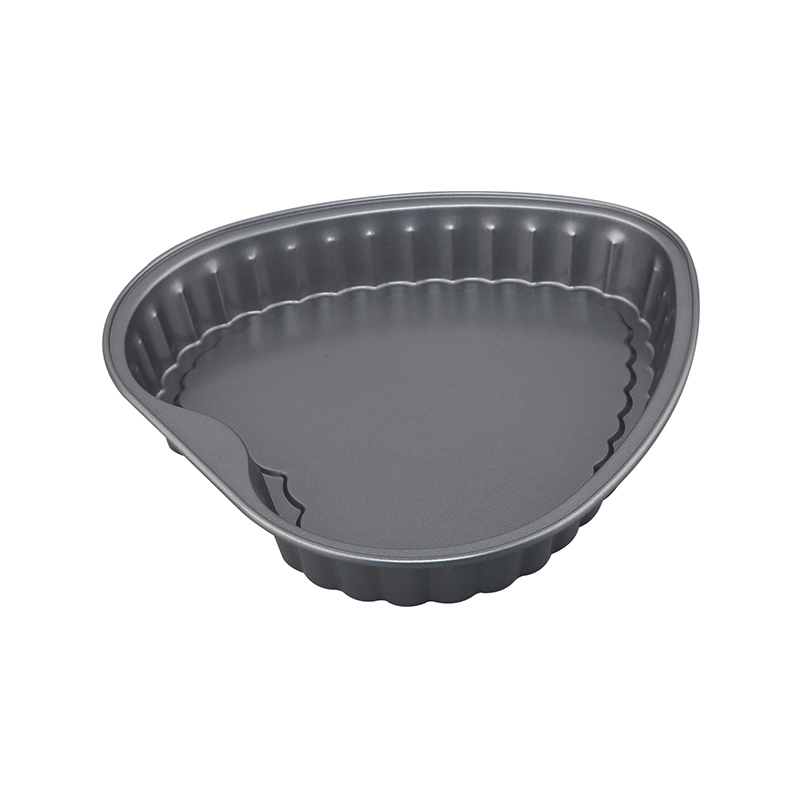
Define the Approved Sample as a Production Reference
The approved sample should serve as a reference for the entire order, not simply as a demonstration of the product concept. Buyers and manufacturers should confirm the important specifications before mass production begins.
These details may include overall dimensions, depth, material, edge structure, surface finish, coating appearance, and packaging configuration. If the product includes special design features, drawings or marked photographs can help clarify the requirements.
It is also useful to record any acceptable variations. Without an agreed reference, buyers and manufacturers may interpret minor differences in appearance or dimensions differently during final inspection.
Monitor Dimensional Consistency During Forming
Cake pans are produced through processes such as cutting, stamping, drawing, and edge forming, depending on their design and material. Differences in tooling condition or production setup can influence the finished dimensions.
For buyers, dimensional consistency matters because pans may need to fit specific ovens, racks, storage systems, or retail packaging. A slight difference in rim shape or overall height can also become noticeable when several units are displayed together.
Manufacturers should establish suitable inspection points for critical dimensions and review production samples at appropriate stages. This makes it easier to identify deviations before they affect a large quantity of finished products.
Check Surface Treatment Across the Entire Batch
A coating that looks smooth on one sample does not automatically guarantee the same finish across every unit. Uneven application, surface contamination, or inconsistent preparation may advance to visible differences.
During inspection, buyers can pay attention to:
- Coating coverage on the base and sidewalls
- Visible scratches, bubbles, or uneven areas
- Surface cleanliness before packaging
- Consistency of color and finish
- Areas around corners, rims, and formed edges
The inspection criteria should reflect the agreed product specification. For coated bakeware, buyers should also request relevant food-contact compliance documentation for the intended sales market rather than relying on general claims.
Inspect Edges, Corners, and Formed Details
The edges of a cake pan deserve particular attention because they influence handling and overall product finish. Poorly processed edges may create sharp areas, while inconsistent corner forming can affect the appearance and dimensions of the finished product.
Manufacturers should check edge finishing and structural details as part of their production quality procedures. Buyers reviewing samples can examine whether the rim is even, the corners are properly formed, and the base connects smoothly with the sidewalls.
These details are especially relevant for retail products, where customers may handle the pan directly before purchase.
Establish Practical Inspection Standards
A clear inspection plan helps both parties understand how the finished order will be evaluated. Instead of waiting until shipment to discuss quality concerns, buyers should agree on inspection requirements before production starts.
A practical plan can cover:
- Critical dimensions and acceptable tolerances
- Surface appearance and coating condition
- Edge finishing and structural defects
- Product quantity and accessory verification
- Carton labeling and packaging condition
The inspection method and sampling level should be agreed according to the order requirements. This creates a more consistent basis for shipment approval.
Protect Finished Products During Packing
Even correctly manufactured cake pans can be damaged if they are poorly packed. Scratches, dents, and coating marks may occur when products move against each other during storage or transportation.
Packaging should provide suitable separation and support for the pan design. Buyers should confirm whether individual protective packaging, nested arrangements, inner cartons, or retail boxes are needed. Carton dimensions and packing quantities should also be checked against warehouse and shipping requirements.
Build Consistency Into Repeat Orders
For distributors and private-label brands, the shipment is only part of the purchasing relationship. Future orders should retain the approved specifications unless changes have been discussed and accepted.
A professional Cake Pan Factory should communicate relevant production changes and maintain clear product references for repeat manufacturing. For overseas buyers, reviewing samples, specifications, inspection criteria, and packaging details before production provides a practical way to manage bulk-order risks and build a more reliable bakeware supply chain.
