
 Language
 English
 中文简体
 Deutsch

A cake pan may look like a simple baking accessory, but its design can influence baking results, product appearance, and production efficiency. Bakeries, kitchenware retailers, food service suppliers, and private-label brands often need different pan configurations for their product ranges. For overseas buyers working with a Cake Pan Factory, the challenge is to identify products that suit specific baking applications while remaining practical for storage, cleaning, and repeated use. Understanding the relationship between pan materials, dimensions, coatings, and construction can make purchasing decisions more precise.
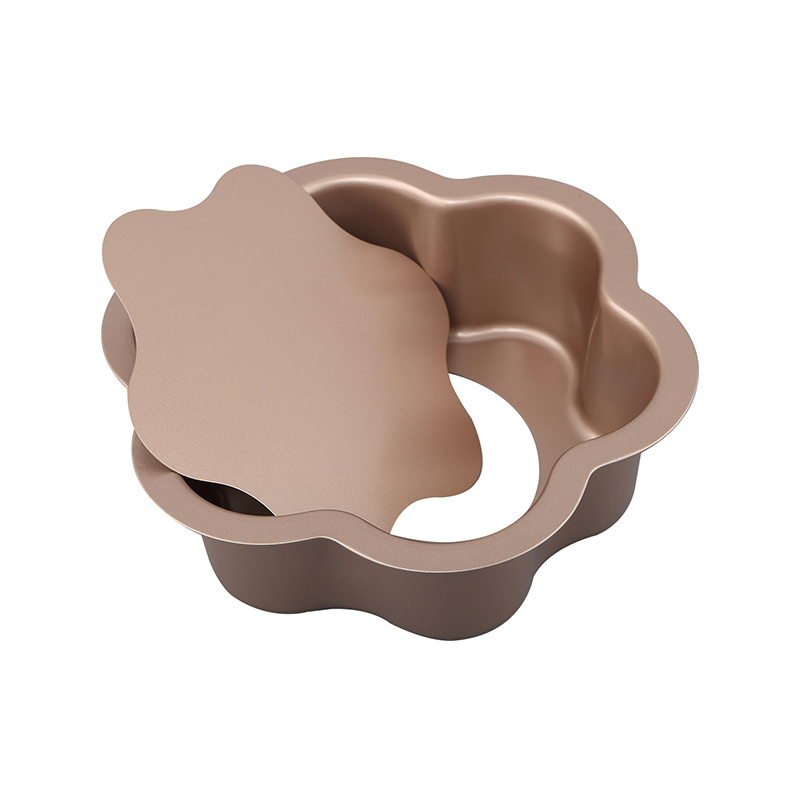
Match Pan Shapes to Baking Applications
Different baked products require different pan shapes and structures. Round pans are commonly used for layered cakes, while square and rectangular designs may be more suitable for sheet cakes, brownies, and portion-based desserts. Bundt pans and specialty molds serve products where the finished shape is an important part of presentation.
For commercial buyers, choosing a pan should begin with the intended product rather than appearance alone. Pan depth, corner design, and internal contours can affect how batter is distributed and how easily the finished cake can be removed. Retailers developing a baking collection may also benefit from offering several complementary shapes instead of relying on one general-purpose model.
Understand How Materials Affect Baking Performance
Cake pans are available in different materials, including carbon steel, aluminum, and stainless steel. Each has its own characteristics in terms of heat transfer, weight, surface treatment, and maintenance requirements.
Carbon steel is commonly used for bakeware because it can provide a practical balance between strength and heat conduction. Aluminum offers good thermal conductivity and is often selected for applications where responsive heating is important. Stainless steel may appeal to buyers looking for a different combination of appearance and corrosion resistance, although its baking behavior should be evaluated for the intended recipe and oven conditions.
Manufacturers should explain the material specifications clearly so buyers can compare products according to actual application requirements.
Evaluate Nonstick Coating and Easy Release
For many bakeries and home baking customers, easy cake release is an important product consideration. A suitable nonstick surface can reduce the need for excessive greasing and make cleaning more convenient.
However, buyers should not evaluate a coating only by its initial appearance. They should ask about the coating type, application process, recommended care instructions, and relevant food-contact compliance documentation for the target market.
The coating also needs to match the intended usage conditions. Excessive heat, abrasive cleaning tools, and improper storage may affect surface condition over time. Clear maintenance guidance can help distributors provide more useful product information to their customers.
Pay Attention to Thickness and Structural Stability
A cake pan needs to maintain its intended shape during normal baking and handling. Material thickness, rolled edges, corner construction, and overall forming quality all contribute to the finished product's structural performance.
A pan that is too lightweight for its intended application may be more vulnerable to deformation during handling. Meanwhile, unnecessarily heavy construction can increase product weight and affect shipping considerations.
When reviewing samples, buyers should inspect the rim, base, corners, and sidewalls. Consistent dimensions are also important when pans need to fit standard ovens, racks, or storage systems.
Consider Cleaning and Storage Requirements
Commercial kitchens often handle bakeware repeatedly throughout the working day. Pan designs should therefore consider how easily users can remove residue, clean corners, and store multiple units.
Deep corners or complicated surface details may require additional cleaning attention. Stackable designs can help organize storage areas, provided the pans can be nested without damaging their surfaces.
For distributors, these practical details can become useful selling points because customers often evaluate bakeware according to its everyday handling requirements rather than its appearance alone.
Prepare Specifications Before Custom Orders
Private-label brands and commercial kitchen suppliers may require custom dimensions, shapes, colors, logos, or packaging. Before requesting a quotation, buyers should prepare a clear product brief covering:
- Intended baking application and pan shape
- Material type and thickness requirements
- Dimensions, depth, and edge design
- Surface coating and food-contact requirements
- Branding, labeling, and packaging details
Providing reference samples or technical drawings can help manufacturers evaluate production feasibility and reduce misunderstandings during sample approval.
Work With a Cake Pan Manufacturer That Understands Production Details
Developing suitable bakeware requires coordination between material selection, forming processes, surface treatment, dimensional control, and finished-product inspection. A Cake Pan Factory should be able to discuss these elements according to the buyer's intended market and product requirements.
For overseas importers, retailers, and professional baking suppliers, choosing the right cake pan is not simply about comparing prices. It involves finding a product that supports the intended baking application, offers practical handling characteristics, and maintains consistent specifications across orders. Working directly with a manufacturer during product development can help buyers build a more suitable bakeware range for their customers.
